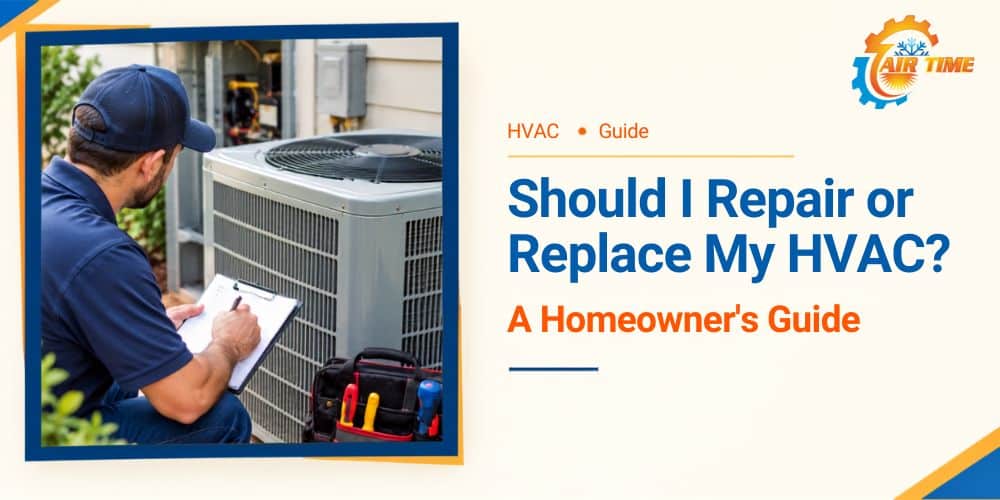
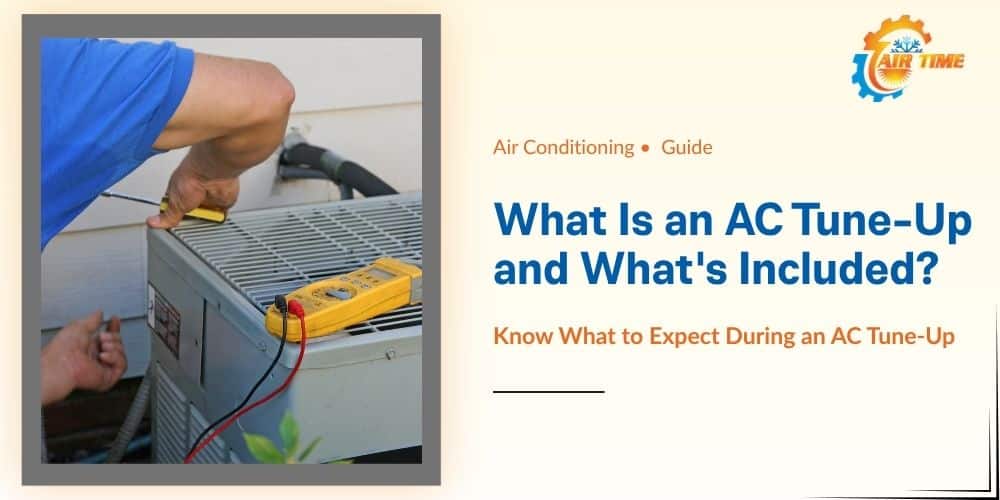
An AC tune-up is a professional preventive maintenance service that thoroughly inspects, cleans, tests, and adjusts your air conditioning system to ensure it operates safely and efficiently. During an air conditioner maintenance and tune-up, an HVAC technician checks key components such as refrigerant levels, electrical connections, coils, filters, the thermostat, condensate drain, and moving parts. Regular AC maintenance helps improve energy efficiency, reduces the risk of unexpected breakdowns, and prepares your system for San Antonio’s demanding cooling season.
Whether you own a newer air conditioner or an older HVAC system, understanding what an AC tune-up includes can help you make informed decisions about maintenance and avoid costly repairs down the road.
Why Annual AC Tune-Ups Matter in San Antonio
Unlike many parts of the country where air conditioners are only needed for a few months each year, homeowners in San Antonio depend on their cooling systems for much of the year. The region’s intense summer heat, humidity, and airborne dust place extra stress on HVAC equipment, making regular maintenance even more important.
When an AC system operates continuously, dirt collects on the condenser and evaporator coils, electrical components wear out, and airflow becomes restricted as filters clog. Even minor issues that seem harmless today can gradually reduce efficiency and eventually lead to expensive repairs.
Scheduling an AC tune-up in San Antonio before the peak summer season helps identify these problems early, allowing homeowners to address them before they develop into major failures during the hottest days of the year.
Some of the biggest advantages of annual maintenance include:
- Improved cooling performance throughout your home.
- Lower monthly energy bills through better system efficiency.
- Reduced risk of emergency AC repairs during summer.
- Longer equipment lifespan.
- Better indoor comfort and humidity control.
- Cleaner indoor air through proper airflow and filtration.
- Early detection of worn or failing components.
For homeowners who rely on their air conditioner every day, preventive maintenance is far more affordable than dealing with an unexpected system breakdown in the middle of July.
What’s Included in a Professional AC Tune-Up?
Although every HVAC company may follow a slightly different checklist, a complete AC tune-up generally includes several essential inspections and maintenance tasks.
Thermostat Inspection and Calibration
The thermostat controls when your air conditioner turns on and off. During a tune-up, the technician checks whether it is accurately reading indoor temperatures and communicating properly with your HVAC system.
A thermostat that is even a few degrees off can cause unnecessary system cycling, uneven cooling, and higher electricity bills. Proper calibration helps maintain consistent indoor comfort while reducing unnecessary runtime.
Air Filter Inspection
A dirty air filter is one of the most common reasons for poor airflow and reduced system performance.
During the inspection, the technician checks the condition of your filter and recommends cleaning or replacement if necessary. A clean filter allows your system to circulate air more efficiently while helping reduce dust, pollen, and other airborne contaminants inside your home.
Condenser Coil Cleaning
The outdoor condenser unit releases heat collected from inside your home. Over time, grass clippings, dirt, leaves, and dust can build up on the condenser coils, making it harder for the system to release heat.
Cleaning the condenser coil helps your air conditioner cool more efficiently and reduces unnecessary strain on the compressor, one of the most expensive components to replace.
Evaporator Coil Inspection
Located inside your indoor air handler, the evaporator coil absorbs heat from the air inside your home. Because this coil operates in a cool, damp environment, it can accumulate dirt and moisture over time.
The technician inspects the coil for dirt buildup, signs of mold, corrosion, or restricted airflow. Keeping the evaporator coil clean improves cooling efficiency and supports healthier indoor air quality.
Refrigerant Level and Pressure Check
Your air conditioner relies on the proper amount of refrigerant to remove heat effectively.
During the AC maintenance visit, technicians measure refrigerant pressure and compare it with manufacturer specifications. Low refrigerant levels may indicate a leak that should be repaired rather than simply refilled.
Proper refrigerant charge helps maintain efficient cooling, protects the compressor, and prevents excessive energy consumption.
Electrical Component Inspection
Electrical problems are a common cause of air conditioning failures, especially during periods of heavy use.
The technician carefully examines:
- Capacitors
- Contactors
- Relays
- Electrical wiring
- Voltage readings
- Amperage draw
- Electrical connections
Loose wiring or weak electrical components can create safety risks or lead to unexpected breakdowns if left unaddressed.
Condensate Drain Line Cleaning
As your AC removes humidity from indoor air, water flows through the condensate drain line. Over time, algae, dirt, and debris can clog this line, causing water backups and leaks.
Cleaning the drain line helps prevent water damage, mold growth, and unexpected system shutdowns caused by clogged safety switches.
Blower Components Inspection
The blower motor and blower wheel are responsible for circulating cooled air throughout your home.
If these components become dirty or worn, airflow decreases, making it more difficult for your system to maintain comfortable temperatures.
During the tune-up, the technician inspects the blower assembly, checks motor performance, and ensures airflow remains within the manufacturer’s recommended range.
Lubrication of Moving Parts
Some HVAC systems include motors and bearings that require lubrication to reduce friction and wear.
Proper lubrication helps moving components operate more smoothly, minimizes unnecessary strain, and extends the life of the equipment.
Safety Control Testing
Modern air conditioning systems contain multiple safety controls that protect both your equipment and your home.
Technicians verify that these controls function correctly by testing startup and shutdown cycles, monitoring system operation, and ensuring the equipment responds appropriately under normal operating conditions.
This step provides added confidence that your HVAC system is operating safely before the peak cooling season begins.
What Happens During an AC Tune-Up Appointment?
Many homeowners wonder what actually takes place when they schedule an air conditioner tune-up. A professional maintenance visit is organized and methodical, allowing the technician to inspect every critical part of your cooling system.
A typical appointment begins with a conversation about any cooling concerns you have noticed, such as uneven temperatures, unusual noises, or higher utility bills. The technician then performs a complete inspection of both the indoor and outdoor units, checking electrical components, refrigerant levels, airflow, coils, drain lines, and safety controls.
After cleaning and testing the system, the technician measures its overall performance to ensure it is operating within manufacturer specifications. Before leaving, they explain any findings, answer your questions, and recommend repairs only if they identify components that show signs of wear or potential failure.
A standard AC tune-up usually takes between one and two hours, depending on the size, condition, and complexity of your HVAC system.
Signs Your AC Needs a Tune-Up
Even if your air conditioner is still running, it may already be showing early signs that it needs professional attention. Ignoring these warning signs can reduce efficiency, increase your energy bills, and eventually lead to costly repairs.
Watch for these common indicators that it’s time to schedule an AC tune-up:
- Your energy bills have increased without a noticeable change in usage.
- The AC runs longer than usual to cool your home.
- Some rooms feel warmer than others.
- Airflow from the vents seems weak.
- You hear unusual noises such as buzzing, rattling, or clicking.
- The system frequently turns on and off.
- Your home feels humid even when the AC is running.
- Water is leaking around the indoor unit.
- Unpleasant odors come from the air vents.
- It has been more than a year since your last air conditioner maintenance service.
Addressing these issues early with a professional AC maintenance service can often prevent them from turning into major system failures.
AC Tune-Up vs. AC Repair
Many homeowners use the terms “AC tune-up” and “AC repair” interchangeably, but they serve very different purposes.
An AC tune-up is preventive maintenance that helps keep your system operating efficiently before problems occur. It focuses on cleaning, inspecting, testing, and adjusting components to reduce wear and improve performance.
An AC repair, on the other hand, is needed when a part has already failed, or the system is no longer working properly. Repairs often involve replacing damaged components or correcting mechanical and electrical issues.
Here’s a simple comparison:
| AC Tune-Up | AC Repair |
| Prevents future problems | Fixes existing problems |
| Improves energy efficiency | Restores cooling performance |
| Performed once or twice a year | Performed when the system breaks down |
| Lower maintenance cost | Can involve expensive parts and labor |
| Helps extend equipment lifespan | Resolves specific equipment failures |
Scheduling annual AC tune-ups in San Antonio is one of the easiest ways to reduce the likelihood of unexpected repairs during the hottest months of the year.
DIY AC Maintenance vs. Professional Tune-Up
There are a few maintenance tasks homeowners can safely perform, but a complete air conditioner tune-up requires specialized tools and technical expertise.
Homeowners can help keep their system in good condition by:
- Replacing or cleaning the air filter regularly.
- Keeping plants and debris away from the outdoor condenser unit.
- Making sure supply and return vents remain unobstructed.
- Checking the thermostat settings.
- Visually inspecting the condensate drain for obvious blockages.
However, professional technicians perform services that should never be attempted without proper training, including:
- Testing refrigerant pressure.
- Inspecting electrical components and wiring.
- Measuring voltage and amperage.
- Cleaning internal HVAC components.
- Checking compressor performance.
- Testing capacitors and contactors.
- Verifying system airflow and temperature differences.
Attempting these procedures without the proper equipment can damage your HVAC system or create safety hazards. A licensed technician has the experience to identify problems that are not visible during a basic visual inspection.
Benefits of Regular AC Maintenance
Routine AC maintenance is an investment in your home’s comfort and your cooling system’s long-term performance. While many homeowners schedule service only after something goes wrong, preventive maintenance offers advantages that extend far beyond avoiding repairs.
Some of the most valuable benefits include:
Better Energy Efficiency
Clean coils, unrestricted airflow, and properly functioning electrical components allow your air conditioner to cool your home using less energy. A more efficient system typically results in lower monthly utility bills.
Fewer Unexpected Breakdowns
Many major HVAC failures begin as small problems, such as a weak capacitor, loose electrical connection, or partially clogged drain line. During an AC tune-up, these issues can often be identified and corrected before they cause a complete system failure.
Longer Equipment Lifespan
Every air conditioning system experiences wear over time. Regular maintenance reduces unnecessary strain on key components, helping your equipment last longer before replacement becomes necessary.
Improved Indoor Comfort
A properly maintained system cools your home more evenly, maintains better airflow, and controls indoor humidity more effectively. This creates a more comfortable living environment throughout the cooling season.
Better Indoor Air Quality
Replacing filters and keeping coils clean helps reduce the circulation of dust, pollen, and other airborne particles. This is especially important for households with allergies or respiratory concerns.
What Is Not Included in a Standard AC Tune-Up?
Understanding what a tune-up does not include can help homeowners know when additional services may be necessary.
A standard air conditioning tune-up generally does not include:
- Refrigerant recharge unless a leak is diagnosed.
- Major electrical repairs.
- Compressor replacement.
- Evaporator or condenser coil replacement.
- Blower motor replacement.
- Ductwork repairs or replacement.
- Thermostat upgrades.
- Emergency repair services.
If the technician discovers damaged components during the inspection, they will typically provide repair recommendations before performing any additional work.
When Is the Best Time to Schedule an AC Tune-Up in San Antonio?
The best time to schedule an AC tune-up in San Antonio is during late winter or early spring, before temperatures begin to rise.
By scheduling maintenance before the busy summer season, homeowners can:
- Prepare the system for continuous operation.
- Avoid peak-season appointment delays.
- Identify potential problems before extreme heat arrives.
- Improve cooling performance before the highest energy demand.
If you missed spring maintenance, it is still beneficial to schedule a tune-up during summer or fall. A well-maintained system performs better year-round, regardless of when service is completed.
How Much Does an AC Tune-Up Cost?
The cost of an AC tune-up varies depending on factors such as the type of system, the size of your home, and the services included by the HVAC company.
While prices differ, homeowners should view annual maintenance as a preventive investment rather than an expense. A routine tune-up typically costs far less than replacing a failed compressor, repairing an electrical component, or dealing with a complete system breakdown during peak summer.
When comparing HVAC companies, focus on the value of the service rather than choosing solely based on the lowest price. A comprehensive maintenance visit performed by an experienced technician can help prevent costly repairs and improve the overall performance of your cooling system.
Frequently Asked Questions
Is an AC tune-up worth it?
Yes. Regular AC maintenance helps improve efficiency, reduce wear on critical components, lower energy costs, and minimize the risk of unexpected breakdowns.
How often should an air conditioner be serviced?
Most HVAC professionals recommend scheduling a professional AC tune-up at least once a year. In hot climates like San Antonio, where cooling systems operate for extended periods, annual maintenance is especially important.
How long does an AC tune-up take?
A typical tune-up takes between one and two hours, depending on the condition and size of your HVAC system.
Will an AC tune-up fix cooling problems?
A tune-up can resolve issues caused by dirty components, restricted airflow, or minor maintenance concerns. However, if a mechanical or electrical component has failed, repairs may be required.
Can I perform my own AC tune-up?
Homeowners can handle simple maintenance tasks such as replacing air filters and keeping the outdoor unit clean. However, a complete air conditioner tune-up requires professional testing, specialized equipment, and HVAC expertise.
Keep Your AC Running at Its Best
Your air conditioner is one of the hardest-working systems in your home, especially during the long, hot summers in San Antonio. Scheduling routine AC maintenance helps improve efficiency, enhances indoor comfort, extends equipment life, and reduces the risk of costly repairs when you need your cooling system the most.
Whether your system is brand new or has been keeping your home cool for years, an annual AC tune-up is a smart way to protect your investment and ensure dependable performance throughout the cooling season.
If you’re looking for professional AC tune-up services in San Antonio, the experienced team at Air Time LLC provides comprehensive inspections, honest recommendations, and quality service to help keep your HVAC system running efficiently all year long.