
When your furnace quits in the middle of a cold snap, you need reliable help and straightforward answers. The goal is always to prevent problems before they start. A furnace that fails on the coldest night of the year isn’t just an inconvenience—it’s a full-blown emergency that is almost always preventable. That sudden, profound silence where the hum of the blower should be is a feeling no homeowner wants to experience.
Getting your furnace ready for its winter workload is one of the smartest and most cost-effective things you can do for your home. This isn’t about looking for trouble or trying to find problems that aren’t there. It’s about ensuring your system runs efficiently, operates safely, and provides the reliable comfort you and your family depend on. This is an honest, no-fluff guide to preparing your furnace for the work ahead.
Why Pre-Season Maintenance is a Smart Investment

It’s tempting to adopt an “if it ain’t broke, don’t fix it” mentality. The reality is that by the time your furnace is “broken,” it’s too late. After sitting dormant for half a year,
collecting dust, dander, and debris, firing it up without a proper check-up is a significant gamble. A little proactive maintenance goes a long way, paying for itself in several key areas.
- Peak Efficiency and Lower Bills: A clean, well-maintained furnace doesn’t have to work as hard to heat your home. When components like the blower wheel, burners, and filter are clean, the system operates at peak efficiency. This means it uses less fuel (whether gas, oil, or electricity) to achieve the temperature you set on your thermostat, directly translating to lower monthly utility bills.
- System Longevity: Strain is the enemy of any mechanical system. A furnace that is struggling against a clogged filter or has unlubricated moving parts is under constant stress. This additional wear and tear can shorten the lifespan of critical, expensive components, pushing you toward a premature full system replacement. An annual tune-up is the best way to extend the life of your investment.
- Crucial Safety Checks: This is the most important reason of all. Gas furnaces produce carbon monoxide (CO) during combustion, which is then safely vented outside. A tiny, hairline crack in the heat exchanger—often invisible to the naked eye—can allow this odorless, colorless gas to leak into your home’s air supply with potentially fatal consequences. Professional inspections are designed to catch these serious hazards before they become a threat.
Your DIY Furnace Prep Checklist
You don’t need to be a certified technician to handle these essential first steps. This is the basic maintenance any homeowner can and should perform to keep their system running smoothly and to spot potential issues early.
1. Replace the Air Filter
This is, without question, the single most important task you can perform. A clogged filter is like forcing the furnace to breathe through a straw. It chokes the airflow, putting immense strain on the entire system.
- Action: Locate the filter compartment on your furnace or in the main return air duct. Note the size printed on the side of the existing filter. Slide the old one out and insert the new one, paying close attention to the arrow indicating the correct direction of airflow.
- Frequency: Check it monthly during the heating season. Plan to replace it at least every 90 days. However, if you have pets, live in a dusty area, or have family members with allergies, you should replace it every 30-45 days.
2. Perform a System Test Run
Don’t wait for single-digit temperatures to discover a problem. Pick a mild autumn day to give your system a quick, controlled test.
- Action: First, if you have a programmable thermostat, check the batteries and replace them if needed. Then, switch the system from “cool” to “heat” and set the temperature five degrees higher than the current room temperature.
- What to Expect: Listen. You should hear a click at the thermostat, followed by a click at the furnace. Soon after, the burners should ignite (a soft whoosh sound), and the blower fan will start circulating air. A faint burning smell is normal for a few minutes as dust burns off. If you hear loud banging, grinding, or squealing, or if the burning smell is strong and persistent, shut the system down at the thermostat and breaker and call a professional.
3. Clear the Furnace Area and All Vents
Your furnace needs space to breathe for proper combustion and ventilation. Likewise, the warm air it produces needs a clear path into your rooms.
- Furnace Area: The area around your furnace should not be used for storage. Ensure there is a clear three-foot zone around the unit. Remove any boxes, paint cans, cleaning supplies, or other flammable materials.
- Vents and Registers: Walk through your home and make sure all supply vents are open and are not blocked by furniture, rugs, or drapes. A common mistake is closing vents in unused rooms; this can actually disrupt the pressure balance in your ductwork and make the system less efficient.
When to Call for Professional Service
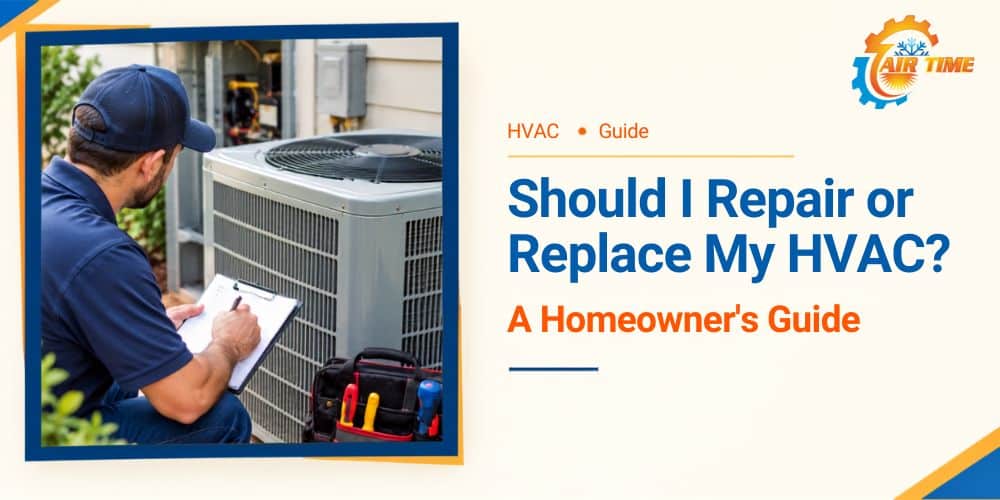
While these DIY steps are crucial, they are not a substitute for an annual professional tune-up. A certified technician has the training, diagnostic tools, and expertise to perform a comprehensive inspection that ensures your system is safe, clean, and ready for the season.
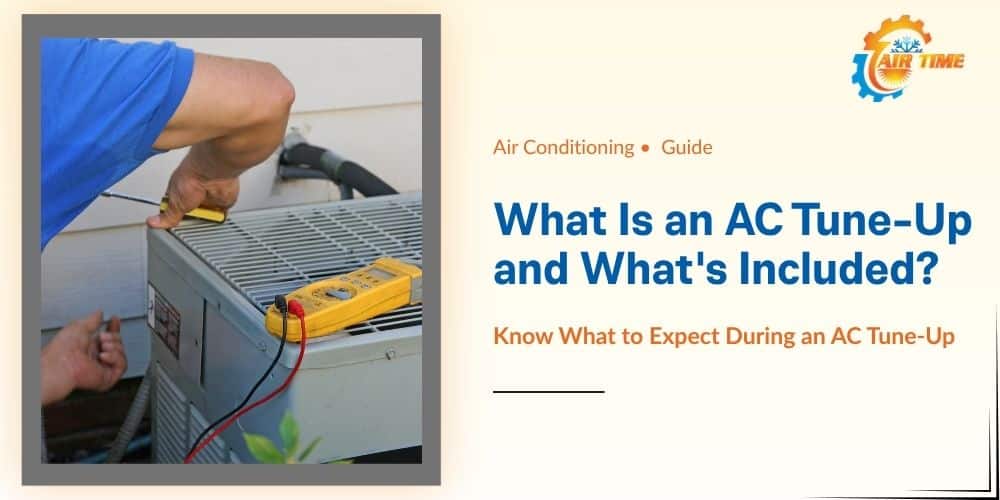
A true professional service goes far beyond a simple filter change. It includes:
- Cleaning and Inspecting the Burners and Heat Exchanger: A technician will thoroughly clean the burners to ensure efficient combustion and meticulously inspect the heat exchanger for any cracks or signs of metal fatigue.
- Testing Electrical Components: All wiring and electrical connections will be checked and tightened. The technician will test the voltage and amperage on the motors to ensure they are operating within safe limits.
- Checking Safety Controls: Every furnace has multiple safety switches and sensors. These will be tested to ensure they are functioning correctly and will shut the system down in a hazardous situation.
- Lubricating Moving Parts: All motors and rotating components will be lubricated according to manufacturer specifications to reduce friction and prevent wear.
- Verifying Proper Ventilation: For gas furnaces, the technician will ensure the flue is clear of obstructions (like bird nests) and is venting combustion gases properly.
Understanding the full scope of what your heating system requires is key to making smart, informed decisions about its care. For homeowners who want to dig deeper, a complete pillar resource can provide a full breakdown of what you need to know. We encourage you to learn more about Everything You Need to Know About Heating Systems and Furnace Services to stay fully informed.
By taking these straightforward steps—from simple DIY checks to scheduling that essential professional tune-up—you can rest easy this winter, confident that your furnace is ready to keep your home warm and safe.
Don’t wait for a cold snap to test your furnace. Schedule a professional inspection today with Air Time LLC to ensure your home stays warm, safe, and comfortable all winter long. Contact us now for expert furnace services in San Antonio!