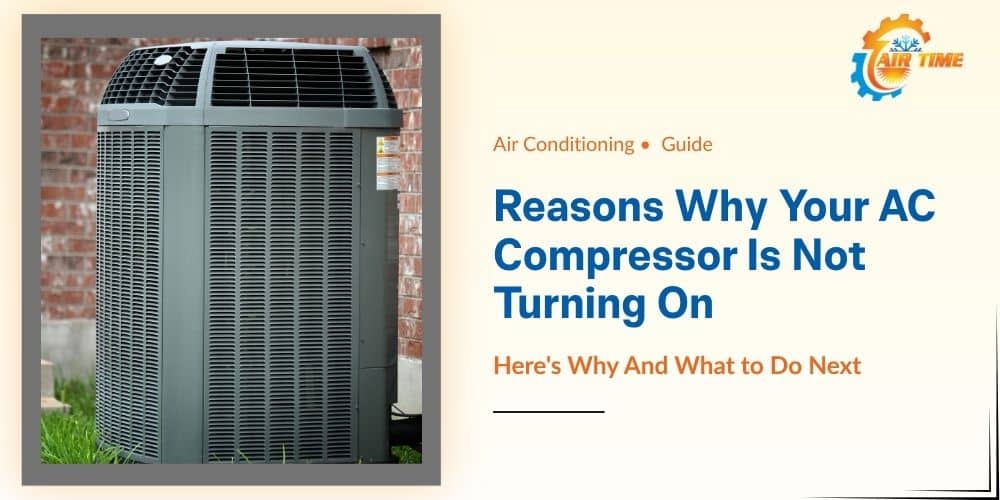
If your AC compressor is not turning on, the issue could be caused by anything from a faulty capacitor or tripped breaker to a refrigerant leak or a failing compressor. Since the compressor is responsible for circulating refrigerant throughout your air conditioning system, any problem that prevents it from starting can significantly impact your home’s comfort and cooling performance. Understanding the most common causes can help you identify potential issues early and determine when professional HVAC service is necessary.
How an AC Compressor Works
The compressor is often referred to as the heart of an air conditioning system. Located inside the outdoor unit, it compresses refrigerant and moves it through the system’s coils, allowing heat to be removed from your home and released outside. Without a functioning compressor, the refrigerant cannot circulate properly, and the cooling process comes to a stop.
Every time your thermostat signals a demand for cooling, the compressor starts and works alongside the condenser and evaporator coils to maintain comfortable indoor temperatures. Because it performs such a critical role, even a minor issue affecting the compressor can lead to noticeable cooling problems throughout your home.
Signs Your AC Compressor Is Not Turning On
In many cases, homeowners notice symptoms before realizing the compressor itself is the problem. Recognizing these warning signs can help prevent further damage and costly repairs.
Some of the most common indicators include:
- Warm air blowing from supply vents
- The outdoor unit is silent or not running
- The outdoor fan operates, but cooling is poor
- Humming, buzzing, or clicking sounds
- Frequent circuit breaker trips
- Rising indoor humidity levels
- Longer cooling cycles
- Sudden increases in energy bills
If your system is displaying one or more of these symptoms, the compressor may be struggling to start or may have already shut down completely.
AC Compressor Diagnosis Chart
Before diving into the potential causes, this quick reference table can help narrow down the problem.
| Symptom | Possible Cause |
| Outdoor unit completely silent | Power supply issue |
| Compressor humming but not starting | Faulty capacitor |
| Breaker trips immediately | Electrical fault or compressor failure |
| Outdoor fan runs but compressor doesn’t | Bad contactor or capacitor |
| Ice on refrigerant lines | Refrigerant leak or airflow restriction |
| Compressor starts and stops quickly | Overheating |
| Clicking sounds from outdoor unit | Defective contactor |
| Weak cooling throughout the home | Refrigerant or compressor issue |
11 Reasons Why Your AC Compressor Is Not Turning On
1. A Faulty Capacitor
One of the most common reasons an AC compressor fails to start is a bad capacitor. The capacitor provides the electrical boost needed to start the compressor motor. Over time, capacitors naturally wear out due to heat, age, and constant cycling.
When a capacitor begins to fail, you may hear a humming noise from the outdoor unit while the compressor struggles to turn on. In some cases, the compressor may start intermittently before eventually failing altogether. Because capacitor issues are so common, they are often one of the first components HVAC technicians inspect during a no-cooling service call.
2. A Tripped Circuit Breaker
Air conditioning systems require a significant amount of electricity to operate. If the circuit breaker trips, the compressor may lose power and stop functioning entirely.
While a single breaker trip may occur occasionally, repeated trips often indicate a deeper problem such as electrical overload, compressor strain, or faulty wiring. Simply resetting the breaker may temporarily restore operation, but it is important to identify and address the underlying cause before more serious damage occurs.
3. A Defective Contactor
The contactor acts as a bridge between your thermostat and the compressor. When the thermostat calls for cooling, the contactor closes and allows electricity to flow to the outdoor unit.
Over years of use, contactors can become worn, pitted, or stuck. When this happens, the compressor may not receive the power needed to start. Homeowners often notice clicking sounds coming from the outdoor unit without any actual cooling taking place.
4. Thermostat Problems
Sometimes the compressor is functioning properly, but it never receives the signal to start.
A malfunctioning thermostat can prevent communication between the indoor and outdoor components of the system. Incorrect settings, dead batteries, faulty sensors, or damaged wiring may all contribute to compressor startup issues.
Before assuming the compressor has failed, verify that the thermostat is set to cooling mode and that the desired temperature is lower than the current room temperature.
5. Refrigerant Leaks
Refrigerant plays a critical role in the cooling process. When refrigerant levels become too low due to a leak, system pressures can fall outside normal operating ranges.
Many modern air conditioners include safety controls that shut down the compressor when refrigerant levels become dangerously low. This protective feature helps prevent compressor damage but also leaves homeowners without cooling.
Signs of a refrigerant leak often include ice buildup, hissing sounds, reduced cooling performance, and unusually long cooling cycles.
6. Dirty Air Filters
A clogged air filter may seem like a minor issue, but it can have a significant impact on compressor performance.
When airflow becomes restricted, the evaporator coil may become too cold and eventually freeze. This disrupts system operation and forces the compressor to work harder than necessary. Over time, excessive strain can lead to overheating and compressor shutdown.
Replacing air filters regularly is one of the easiest and most effective ways to protect your HVAC system.
7. Frozen Evaporator Coils
Frozen evaporator coils often develop when airflow is restricted or refrigerant levels are low. As ice accumulates on the coil, heat transfer becomes less efficient, and system pressures become unbalanced.
The compressor may eventually shut down as a protective measure. If you notice ice on indoor coils or refrigerant lines, turn off the system and allow it to thaw before seeking professional service.
8. Dirty Condenser Coils
The condenser coils located in the outdoor unit are responsible for releasing heat absorbed from inside your home. When dirt, debris, grass clippings, and pollen accumulate on the coils, heat cannot escape efficiently.
As operating temperatures rise, the compressor must work harder to maintain cooling performance. Prolonged overheating can eventually cause the compressor to shut down or fail prematurely.
9. Compressor Overheating
Texas summers place tremendous demands on air conditioning systems. During periods of extreme heat, compressors may run for extended hours without much downtime.
Dirty coils, blocked airflow, refrigerant issues, and neglected maintenance can all contribute to overheating. Most modern systems include safety controls that temporarily shut the compressor off when temperatures become too high.
While this protects the equipment, repeated overheating can shorten compressor lifespan and lead to costly repairs.
10. Power Surge Damage
Electrical storms and power surges can damage sensitive HVAC components. Capacitors, contactors, control boards, and compressor windings are particularly vulnerable.
After a major storm or power outage, homeowners may discover that their compressor no longer starts properly. Professional testing is often required to identify surge-related damage and determine the best repair solution.
11. Compressor Failure
If all supporting components are functioning correctly, the compressor itself may have failed.
Most AC compressors last between 10 and 15 years when properly maintained. As the system ages, internal wear can lead to hard starts, overheating, reduced efficiency, and eventual failure.
In some cases, compressor replacement may be possible. However, for older systems, a complete AC replacement may provide better long-term value and energy efficiency.
Why AC Compressors Commonly Fail During Texas Summers
Homeowners in Texas often experience compressor issues during the hottest months of the year. Extended cooling cycles, extreme outdoor temperatures, and increased system demand place significant stress on HVAC equipment.
When temperatures remain in the upper 90s or exceed 100 degrees, compressors must work continuously to maintain indoor comfort. If routine maintenance has been neglected, small issues such as dirty coils or restricted airflow can quickly develop into major system failures.
Regular inspections and seasonal tune-ups are especially important for homeowners who rely heavily on their air conditioning systems throughout the summer.
What to Check Before Calling an HVAC Technician
Before scheduling service, there are several basic troubleshooting steps homeowners can safely perform:
- Confirm thermostat settings.
- Inspect the circuit breaker.
- Replace a dirty air filter.
- Check for ice buildup on refrigerant lines.
- Remove debris around the outdoor unit.
- Listen for unusual noises.
- Verify the outdoor disconnect switch is on.
If these steps do not restore operation, a professional diagnosis is recommended.
Average AC Compressor Repair Costs
The cost of repairing a compressor-related issue varies depending on the specific problem.
| Repair Type | Average Cost |
| Capacitor Replacement | $100–$350 |
| Contactor Replacement | $150–$400 |
| Thermostat Repair | $100–$500 |
| Refrigerant Leak Repair | $200–$1,500 |
| Electrical Repairs | $150–$800 |
| Condenser Coil Cleaning | $100–$400 |
| Compressor Replacement | $1,200–$3,500+ |
Obtaining an accurate diagnosis is the best way to understand your repair options and avoid unnecessary expenses.
Should You Repair or Replace Your Compressor?
The decision often depends on the age and condition of the system. If your air conditioner is relatively new and the compressor is still under warranty, repair may be the most practical solution.
However, if the system is approaching the end of its lifespan and requires multiple repairs, replacement may offer greater reliability and improved energy efficiency. A qualified HVAC professional can evaluate your equipment and help determine the most cost-effective path forward.
How to Prevent Future Compressor Problems
Preventive maintenance remains the most effective way to extend compressor life and reduce the risk of unexpected breakdowns.
Homeowners should:
- Change air filters regularly.
- Schedule annual HVAC maintenance.
- Keep the outdoor unit clean and unobstructed.
- Address refrigerant leaks promptly.
- Monitor unusual sounds or performance changes.
- Install surge protection when appropriate.
These simple steps can help improve system efficiency and reduce long-term repair costs.
Why Homeowners Trust Air Time HVAC
At Air Time HVAC, our experienced technicians understand how frustrating compressor problems can be, especially during the peak cooling season. Our team has diagnosed and repaired thousands of air conditioning issues, from simple capacitor failures to complete compressor replacements.
We focus on accurate diagnostics, honest recommendations, and long-term solutions that help homeowners stay comfortable while protecting their investment.
Frequently Asked Questions
Can a bad capacitor stop an AC compressor from turning on?
Yes. A failed capacitor is one of the most common reasons a compressor will not start.
Why is my AC fan running but the compressor is not?
This often indicates a faulty capacitor, defective contactor, or compressor-related issue.
Can low refrigerant prevent a compressor from starting?
Yes. Safety controls may prevent operation when refrigerant levels fall below acceptable limits.
How long do AC compressors last?
Most compressors last between 10 and 15 years with proper maintenance.
Is it worth replacing a failed compressor?
It depends on the age, condition, and efficiency of the existing system. In some cases, full system replacement provides better long-term value.
Conclusion
If your AC compressor is not turning on, the problem may stem from electrical issues, airflow restrictions, refrigerant leaks, overheating, or normal wear and tear. Identifying the warning signs early and addressing them promptly can help prevent more expensive repairs and restore your home’s comfort faster.
If you’re experiencing compressor problems, Air Time HVAC is ready to provide professional diagnostics and dependable solutions to keep your cooling system operating at its best. Whether you need AC repair services, routine AC maintenance, or a complete AC installation and replacement, our team is here to help keep your home comfortable year-round.