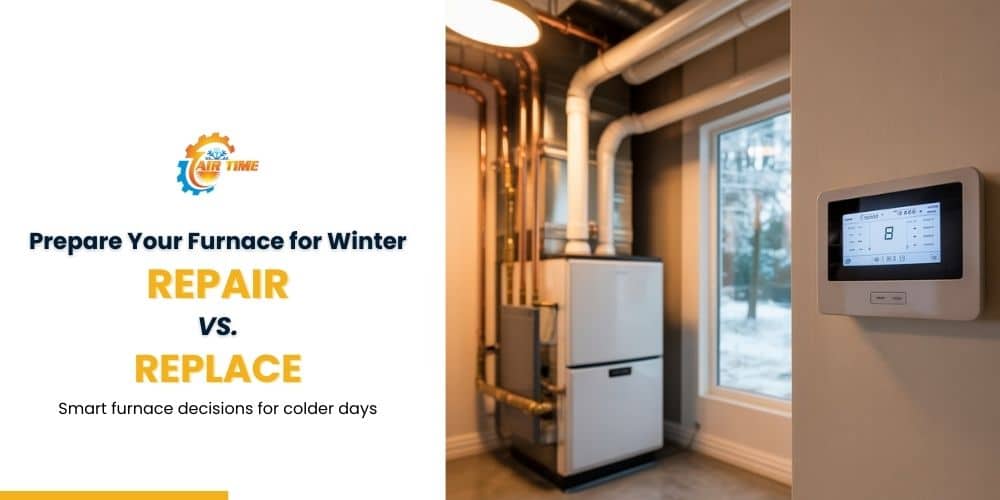
Winter places the highest demand on your home heating system. When temperatures drop, a dependable furnace becomes essential for comfort, safety, and energy efficiency. Any weakness in your system shows quickly during winter, making it important to know whether your furnace needs a simple fix or a full upgrade.
Many homeowners ask, how long should a furnace last, especially once heating issues appear during colder months. Understanding the warning signs can help you avoid sudden breakdowns, rising energy bills, and uncomfortable indoor conditions. This guide explains the key factors that help you make smart, cost-effective decisions during winter.
Start With the Age of Your Furnace

A common winter concern is system age. Most furnaces last 15 to 20 years when maintained properly. If your unit is nearing or beyond this range, winter performance problems become more frequent.
What it means
Older furnaces struggle during extended cold spells. Worn components, declining efficiency, and uneven heat output become more noticeable in winter. These systems often run longer cycles, increasing wear and fuel usage.
What to do
- If your furnace is under 15 years old and the issue is minor, a fix usually restores winter performance.
- If the furnace is over 15–20 years old and experiencing repeated winter issues, upgrading becomes the safer long-term choice.
This is often the clearest indicator of when to replace a furnace, especially during peak heating season.
Consider the Cost of Winter Repairs

Winter repairs tend to cost more due to urgency and system strain. A helpful guideline is to compare repair expenses with the cost of a newer, energy-efficient model.
What it means
Frequent winter service calls signal that the furnace is nearing the end of its usable life. Paying repeatedly to keep an aging system running during winter can become financially draining.
What to do
- Minor, one-time fixes usually make sense.
- When repair costs reach 30–40 percent of a new furnace price, upgrading becomes the wiser winter investment.
Homeowners often ask, should I repair or replace my furnace, and ongoing winter repair costs usually point toward replacement.
Watch Winter Heating Performance

During winter, your furnace should deliver steady, even heat. Cold spots, short cycling, or a system that runs constantly indicate deeper problems.
What it means
Poor winter heating often results from aging parts, weak airflow, or a failing blower motor. These problems reduce comfort and push energy bills higher.
What to do
- Simple airflow issues or filter problems can be corrected.
- Persistent performance failures during winter usually mean the system can no longer meet heating demands efficiently.
Performance decline is one of the most common signs of when to replace a furnace in winter.
Monitor Rising Winter Energy Bills

A steady increase in winter energy costs often signals declining furnace efficiency.
What it means
As furnaces age, they burn more fuel to produce the same heat. Even after repairs, older systems rarely return to original efficiency levels.
What to do
- Single-part issues may justify a fix.
- If winter bills rise year after year, a modern furnace provides long-term savings and improved efficiency.
Winter energy spikes are a strong indicator that replacement delivers better value.
Pay Attention to Noises and Smells

Unusual winter noises or odours should never be ignored.
What it means
Banging, grinding, or burning smells often point to worn internal parts, dirty burners, or airflow issues. During winter, these problems worsen quickly and may affect safety.
What to do
- Minor mechanical issues can be corrected.
- Serious internal damage, especially in older furnaces, usually makes replacement the more economical and safer option.
Consider Winter Comfort and Modern Features

Modern furnaces offer quieter operation, balanced airflow, humidity control, and smart temperature management, which matter most during winter.
What it means
Older systems struggle to maintain consistent warmth and often leave indoor air feeling dry. They also consume more energy while offering fewer comfort benefits.
What to do
- Younger systems with maintenance issues can often be restored.
- Outdated furnaces lacking efficiency and comfort features are better replaced before winter stress causes failure.
Conclusion
Winter is the most demanding season for your furnace. Understanding how long a furnace should last, recognising performance decline, and monitoring costs help you make confident decisions.
Minor issues in a newer system usually justify repairs. Aging, inefficient, or unreliable furnaces create higher risks during winter and are better replaced before breakdowns occur.
By acting early and choosing wisely, you protect your home, control winter energy costs, and ensure reliable warmth throughout the cold season.