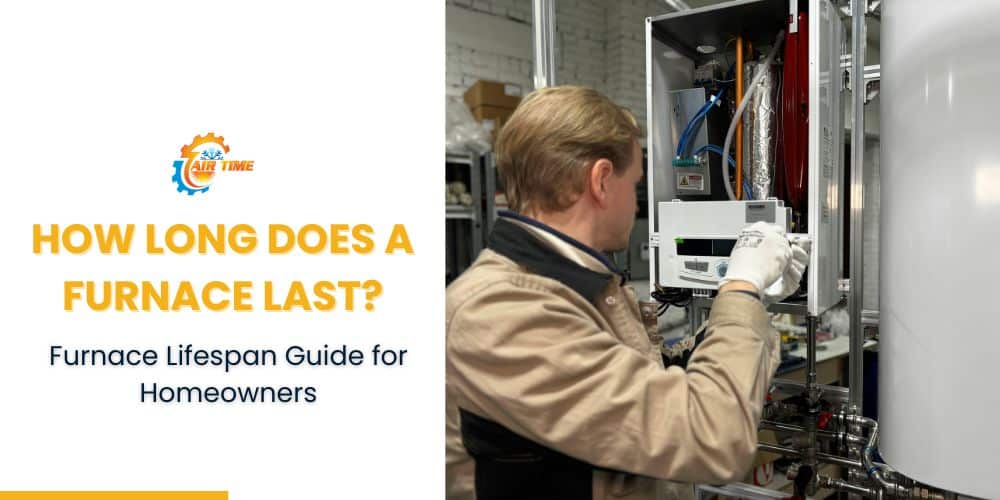
A well-maintained furnace typically lasts between 15 and 20 years, although some systems can operate efficiently for even longer with proper care. However, lifespan depends on several factors, including furnace type, installation quality, maintenance habits, climate, and usage patterns.
For homeowners, understanding furnace lifespan is important because heating systems are one of the largest investments in a home. Knowing when to repair, maintain, or replace your furnace can help you avoid costly emergency breakdowns, rising energy bills, and uncomfortable winter nights.
Average Furnace Lifespan by Furnace Type
Not all furnaces last the same amount of time. Different heating systems have different operating demands, fuel sources, and maintenance requirements.
| Furnace Type | Average Lifespan |
| Gas Furnace | 15–20 Years |
| Electric Furnace | 20–30 Years |
| Oil Furnace | 15–20 Years |
| Propane Furnace | 15–20 Years |
Gas Furnace Lifespan
Gas furnaces are among the most common heating systems in modern homes. On average, they last between 15 and 20 years when professionally maintained.
Because gas furnaces rely on burners, heat exchangers, and combustion systems, they experience more wear over time than electric systems. Regular inspections are especially important to maintain safety and efficiency.
Electric Furnace Lifespan
Electric furnaces typically last longer than gas systems because they have fewer moving parts and no combustion process. Many electric furnaces continue operating efficiently for 20 to 30 years.
However, electrical components and heating elements can still fail over time, especially if maintenance is ignored.
Oil Furnace Lifespan
Oil furnaces generally last around 15 to 20 years. Because oil systems produce soot and residue, they require more frequent cleaning and maintenance to maintain efficiency and reduce wear.
Factors That Affect Furnace Lifespan
Some furnaces fail early, while others continue running for decades. The difference often comes down to maintenance, installation quality, and usage conditions.
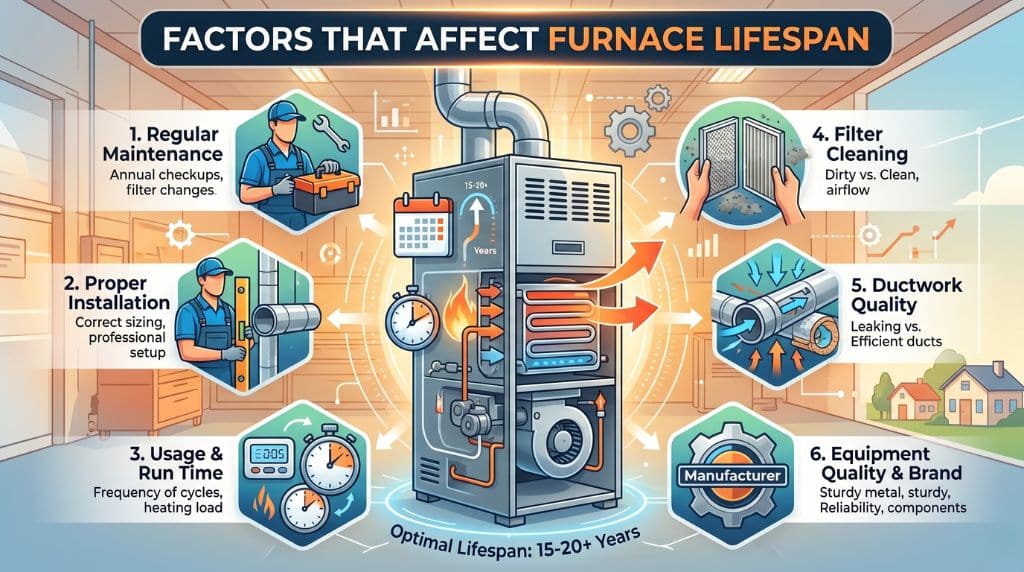
1. Regular Furnace Maintenance
Routine furnace maintenance in San Antonio is one of the biggest factors affecting furnace lifespan. Annual inspections help identify small problems before they become major repairs.
Professional maintenance typically includes:
- Cleaning burners and components
- Inspecting the heat exchanger
- Checking airflow
- Replacing filters
- Testing safety controls
- Lubricating moving parts
Skipping maintenance can lead to overheating, airflow restrictions, and unnecessary system strain.
2. Installation Quality
Even the best furnace may fail prematurely if installed incorrectly. Improper sizing, poor airflow design, or faulty ductwork can force the system to work harder than necessary.
A properly installed furnace operates more efficiently, experiences less wear, and maintains more consistent indoor comfort.
3. Climate and Usage
Homes in colder climates naturally place a greater demand on heating systems. A furnace that runs constantly during long winters will experience more wear than one used occasionally in milder regions.
Frequent thermostat adjustments and continuous operation can also shorten the lifespan over time.
4. Air Filter Replacement
Dirty air filters restrict airflow and force the furnace blower motor to work harder. This increases strain on the entire system and may lead to overheating.
Most homeowners should replace filters every 1 to 3 months, depending on:
- Pets
- Dust levels
- Allergies
- System usage
5. Humidity and Indoor Air Quality
Poor indoor air quality can affect furnace performance. Excess dust, debris, and humidity may damage internal components and reduce efficiency over time.
How to Find the Age of Your Furnace
If you recently purchased a home or inherited an older HVAC system, you may not know how old your furnace is.
Fortunately, there are several ways to determine furnace age.
Check the Manufacturer Label
Most furnaces include a data plate or manufacturer sticker located:
- Inside the access panel
- Near the blower compartment
- On the side of the unit
The label typically contains:
- Model number
- Serial number
- Manufacturing date
Decode the Serial Number
Many furnace manufacturers encode the production date within the serial number. Depending on the brand, the first few digits may indicate:
- Year of manufacture
- Week of production
Because every manufacturer uses different formats, an HVAC technician can usually help identify the age quickly.
Review Previous Service Records
Maintenance invoices and installation paperwork may also reveal the installation date or approximate furnace age.
Signs Your Furnace Is Failing
As furnaces age, they often show warning signs before complete failure occurs. Recognizing these symptoms early can help prevent costly emergency repairs.
Rising Energy Bills
Older furnaces gradually lose efficiency. If your heating bills continue increasing despite normal usage, your furnace may be working harder to produce the same amount of heat.
Uneven Heating
Cold rooms, inconsistent temperatures, or weak airflow can indicate:
- Aging blower motors
- Ductwork problems
- Reduced furnace performance
Frequent Repairs
Occasional repairs are normal, but repeated breakdowns often signal a furnace nearing the end of its lifespan.
If repair costs continue adding up every heating season, replacement may be more cost-effective.
Strange Noises
Loud banging, rattling, squealing, or grinding noises may indicate:
- Loose components
- Motor issues
- Ignition problems
- Worn bearings
Unusual sounds should always be inspected promptly.
Yellow Burner Flame
Gas furnace flames should burn blue. A yellow flame may indicate combustion problems or carbon monoxide concerns, which require immediate professional attention.
Excessive Dust or Dry Air
Failing furnaces sometimes struggle with airflow and humidity control, leading to:
- Increased dust
- Dry indoor air
- Poor comfort levels
When Should You Replace a Furnace?
Many homeowners wonder whether they should keep repairing an older furnace or replace it entirely.
In general, replacement becomes more practical when:
- The furnace is over 15–20 years old
- Repairs become frequent
- Energy bills continue rising
- The system struggles to heat the home evenly
- Major components fail
Replace a Furnace Before Total Failure
Waiting until your furnace completely stops working can create unnecessary stress during winter.
Planning replacement early allows homeowners to:
- Compare system options
- Schedule installation conveniently
- Avoid emergency service costs
- Improve energy efficiency
Modern high-efficiency furnaces can significantly reduce monthly heating expenses while improving indoor comfort.
Repair vs Replace: Which Is Better?
Deciding between furnace repair and replacement depends on several factors, including the furnace’s age, repair costs, and the overall system condition.
When Repair Makes Sense
Repair may be the better option if:
- The furnace is under 10 years old
- Repairs are minor
- Energy efficiency remains good
- Maintenance history is strong
Examples include:
- Ignitor replacement
- Thermostat issues
- Sensor cleaning
- Minor electrical repairs
When Replacement Is Better
Replacement is usually recommended when:
- The furnace is over 15 years old
- Heat exchanger damage exists
- Repair costs are high
- Efficiency has dropped significantly
Many HVAC professionals use the “50% Rule”:
If repair costs approach 50% of replacement cost, replacing the furnace is often the smarter long-term investment.
READ ALSO: The Ultimate Guide to Prepping Your Furnace for Winter
How to Extend Furnace Lifespan
Homeowners can significantly increase furnace lifespan through regular maintenance and smart operating habits.
Schedule Annual Furnace Tune-Ups
Professional inspections help keep systems running safely and efficiently. Annual maintenance can:
- Improve performance
- Reduce repairs
- Extend equipment life
- Lower heating costs
Change Air Filters Regularly
One of the easiest ways to protect your furnace is to replace dirty filters consistently.
Proper airflow reduces strain on:
- Blower motors
- Heat exchangers
- Internal components
Keep Vents and Registers Open
Blocked vents reduce airflow and force the furnace to work harder. Ensure furniture, rugs, and curtains do not obstruct airflow throughout the home.
Use a Programmable Thermostat
Smart thermostat settings help reduce unnecessary furnace operation and minimize wear over time.
Lowering temperatures slightly while sleeping or away from home can also improve efficiency.
Address Small Repairs Early
Ignoring minor issues often leads to larger and more expensive problems later. Unusual noises, short cycling, or airflow problems should be inspected promptly.
Frequently Asked Questions
Can a Furnace Last 30 Years?
Some furnaces can last 30 years, especially electric systems that receive excellent maintenance. However, most furnaces become significantly less efficient after 15 to 20 years.
How Long Should a Gas Furnace Last?
Gas furnaces typically last between 15 and 20 years with regular professional maintenance.
Should I Replace a 20-Year-Old Furnace?
If your furnace is 20 years old and experiencing efficiency or repair issues, replacement is often recommended. Newer systems offer improved safety, comfort, and energy savings.
What Shortens Furnace Lifespan?
Several factors can shorten furnace life, including:
- Poor maintenance
- Dirty air filters
- Improper installation
- Heavy usage
- Neglected repairs
How Often Should Furnace Maintenance Be Performed?
Most HVAC professionals recommend annual furnace maintenance before the heating season begins.
How do you know when your furnace needs to be replaced?
A furnace may need replacement if it is over 15–20 years old, needs frequent repairs, or causes high energy bills and uneven heating.
What is the average cost of a new furnace?
A new furnace typically costs between $3,000 and $7,500, including installation.
What are the signs of a dying furnace?
Common signs include strange noises, weak airflow, uneven heating, rising energy bills, and frequent breakdowns.
Final Thoughts
Most furnaces last between 15 and 20 years, but lifespan ultimately depends on maintenance, installation quality, and operating conditions. Regular tune-ups, clean filters, and early repairs can significantly extend system performance while reducing long-term costs.
If your furnace is showing signs of age, rising energy bills, or frequent breakdowns, it may be time to evaluate replacement options before a complete failure occurs. Professional inspections and timely maintenance from Air Time LLC can help homeowners improve efficiency, reduce unexpected repairs, and keep their heating systems running reliably throughout the winter season.
A properly maintained heating system not only lasts longer but also improves energy efficiency, indoor comfort, and home safety year after year.